Reality Check Youth Take Tobacco Industry Fight to State Capitol

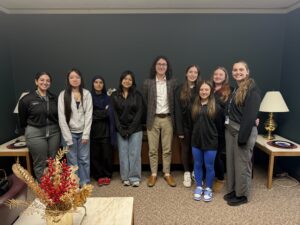
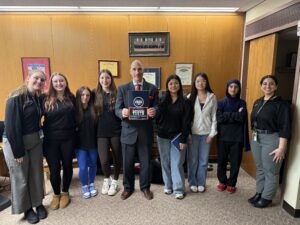
Youth meet with Sen. May, Assemblymembers Magnarelli, Stirpe, Lemondes, and Hunter

TOBACCO-FREE CNY, MARCH 4, 2026 – Every year in mid-February, Reality Check youth from around New York State gather in Albany with a common purpose: speaking with legislators on the dangers of tobacco and sharing the success of the New York State Tobacco Control Program. On February 25th six Reality Check youth from Onondaga County made their way to the Legislative Office Building at the New York State Capitol.  They joined dozens of other youth from Reality Check groups across the state to educate their legislators about tobacco and its harms.

Local Reality Check youth had the opportunity to meet with Assemblymembers Al Stirpe, Pamela Hunter, John Lemondes, and William Magnarelli, along with Senators Rachel May and Christopher Ryan and staff members from their offices. During these visits, the youth educated them on the harms of tobacco on the environment, the harms of menthol and its targeted marketing to specific populations, and how youth are being targeted by Big Tobacco through flavors and new products, like vapes and nicotine pouches.

An emerging issue for young people is the use of nicotine pouches, and especially the dual use of pouches and vapes. The Truth Initiative stated in a recent research article that there has been an increase in nicotine pouch sales of 207% in the last 2 years, and a 14.7% increase in dual use among young people. The students brought information to their legislators about this issue and discussed with them the health impacts and risks of using nicotine pouches, specifically in adolescence.

The six youth facilitated a total of six meetings throughout the day and excelled in speaking with their elected officials. One of the topics that the youth brought to the attention of the legislators was the ease of youth obtaining vapes and nicotine pouches. Students have visited stores that sell popular snacks and desserts featured on TikTok that also sell flavored vapes and nicotine pouches. One of the students told the legislators about being in a store and seeing “one of my classmates buy a vape in the store. When I checked out, they even asked if I wanted to buy one, too.” The students shared how many tobacco retailers are near their schools and how that makes it easier for kids to get these products.

The mission of the New York State Tobacco Control Program (TCP) is to reduce tobacco-related illness, disability, and death and to alleviate the social and economic burden caused by tobacco use in New York State. 2025 marked the 25th Anniversary of the TCP and allowed us to look back on the progress that has been made over the years. The TCP implemented the Clean Indoor Air Act in 2003, increased access to effective cessation services, and has reduced the state smoking rate from about 23% in 2000 to 9.3% this year. For every $1 invested in the TCP, New York achieves a $15 reduction in smoking-related health care costs. Despite the success of the TCP, they receive only 2% of the state’s annual tobacco revenue from tobacco product excise tax ($1.03B) and Master Settlement Agreement funds ($764M). Additionally, the CDC recommends New York State to spend $203 million on tobacco control annually, whereas the state spends $34.8 million, just 17% of the CDC’s recommendation.

For more information on Reality Check or Tobacco-Free CNY, visit www.tobaccofreecny.org.

Colorectal Cancer Screening Begins at age 45: Free Screening Tests Available

ONONDAGA COUNTY, MARCH 2, 2026 – March is National Colorectal Cancer Awareness Month. According to the American Cancer Society, colorectal cancer is the third most commonly diagnosed cancer among both men and women in the United States, and more than 52,000 people die from the disease each year. National and New York State data indicate that 9 out of 10 new colorectal cancer cases occur in adults aged 45 and older. However, recent data published in the Journal of the American Medical Association show that colorectal cancer is now the leading cause of cancer deaths among people under age 50 in the United States. The U.S. Preventive Services Task Force and the American Cancer Society recommend that routine colorectal cancer screening begin at age 45. Individuals at higher risk may need to start screening before age 45.

All adults aged 45 and older should be screened for colorectal cancer. Screening options include the fecal immunochemical test, or FIT kit, which is a stool test that can be completed at home or as part of a physical exam at a medical provider’s office and checks for blood in the stool. A colonoscopy allows a doctor to examine the entire colon and rectum to identify and remove polyps. Additional screening methods are also available. Individuals should speak with their healthcare provider to determine which test is most appropriate and how often screening should occur.

Early detection saves lives. Colorectal cancer often begins as precancerous polyps in the colon or rectum that can develop into cancer over time. Some polyps may bleed, causing blood to appear in the stool. Other possible symptoms include abdominal pain, bloating, persistent changes in bowel habits, or unexplained weight loss. However, colorectal cancer may not cause symptoms in its early stages. Regular screening is essential to detect the disease early, when treatment is most effective. Colorectal cancer can be prevented through routine screening and removal of precancerous polyps in the colon and rectum.

Free colorectal cancer screening tests are available through the Onondaga County Cancer Services Program. The program offers free screening for individuals aged 45 and older who do not have health insurance or who face other barriers to completing recommended screenings. Take-home fecal tests, such as FIT kits, provide a simple and effective screening option. If a FIT test result is abnormal, a follow-up colonoscopy will be scheduled at no cost to the patient. Any necessary follow-up procedures, including colonoscopies, are fully covered. If an individual is diagnosed with colorectal cancer, program staff will assist with the Medicaid Cancer Treatment Program application process. Services are available at multiple healthcare provider locations throughout the City of Syracuse and Onondaga County.

If you are over 45 years old and do NOT have health insurance, call 315-435-3653 or visit onondaga.gov/health/cancer-screening/ to see if you qualify for free colorectal cancer screening. Early detection of colorectal cancer saves lives. Take care of yourself and schedule your appointment today!

Onondaga County Health Department Releases 2025-2027 Community Health Assessment and Improvement Plan

ONONDAGA COUNTY, JANUARY 21, 2026 – The Onondaga County Health Department is pleased to announce the publication of the 2025-2027 Onondaga County Community Health Assessment and Improvement Plan. The Community Health Assessment provides an overview of demographic and health indicator data, determinants of health, current health challenges, and community assets and resources. The Community Health Improvement Plan outlines a shared plan for advancing health equity and addressing local public health challenges within three priority areas:

  • Nutrition Security
  • Preventive Services for Chronic Disease Prevention and Control
  • Prevention of Infant and Maternal Mortality

The Community Health Assessment and Improvement Plan was developed by the Onondaga County Health Department in partnership with Crouse Health, St. Joseph’s Health, and Upstate University Hospital. The document was also informed by the Central New York Healthcare Equity Task Force and an extensive community engagement process that obtained direct feedback from more than 1,900 County residents on health related issues.

“The Community Health Assessment and Improvement Plan provides a foundation for understanding the health needs and assets of Onondaga County and serves as a guide for how we can work together to promote health equity and address disparities in health access and outcomes. This joint effort was made possible with the support of local hospitals, community agencies, and residents.” said Dr. Kathryn Anderson, Onondaga County Health Commissioner.

The 2025-2027 Onondaga County Community Health Assessment and Improvement Plan is available on the Onondaga County Health Department website at: https://onondaga.gov/health/publications/

Make 2025 the Year You Quit Tobacco for Good!

Planning ahead is the key to success

TOBACCO-FREE CNY, DECEMBER 31, 2025 – If you are looking to start the New Year smoke free, you are not alone. A common resolution is to stop smoking. Most adults that smoke want to quit, and it is possible! Quitting smoking is one of the best decisions a person who smokes can make to improve their health and to protect the health of others. With a cessation plan in place, you can make 2025 the year you quit for good!

If you want to stop smoking, it can be hard to know where to start. Building a plan before you want to quit is the best way to be prepared for what’s ahead. Make a list of all your reasons you want to quit smoking. This will be a great tool to look back on when you get the urge to smoke. Think about what triggers you to smoke and come up with a plan on how to avoid or deal with these triggers. Choose a date to quit and tell your friends and family about your decision for their support. Before your quit date, make sure you throw out all tobacco products and remove all smoking materials such as ashtrays and lighters.

Quit attempts are more likely to be successful if smokers use a multi-layered approach (such as medication with counseling) and have lots of support. Talk to your health care provider before your quit date to determine if they suggest any quit-smoking medications. Some medications are by prescription only, and your provider can work with you to determine the best option.

Quitting is hard work, but there are many resources available to those who are ready to make the commitment. The New York State Quitline provides free, confidential coaching by phone that can increase your chances of quitting successfully and staying tobacco-free. In addition, most people qualify for free nicotine replacement therapy. The Quitline can be reached at 1-866-NY-QUITS (1-866-697-8487) or online at nysmokefree.com. For teens or adults looking to quit vaping, the Drop the Vape program is a text-based resource to help.

Visit nysmokefree.com/drop-the-vape/ to learn more and sign up for assistance.

Tobacco-Free CNY works in Onondaga, Oswego and Cayuga Counties to support CNY residents who want healthy, tobacco-free lives by reducing the negative impact of tobacco marketing, increasing the number of local laws that prohibit tobacco use in outdoor areas, and decreasing secondhand smoke in multi-unit housing. For more information, visit our website at tobaccofreecny.org.

January Is National Cervical Cancer Awareness Month: Free Screening Services Available in Onondaga County

ONONDAGA COUNTY, DECEMBER 31, 2025 – January is National Cervical Cancer Awareness Month. The Cancer Services Program is reminding people with a cervix age 21 and older to get screened for cervical cancer. Cervical cancer occurs most often in people over the age of 30.

Unlike many cancers, cervical cancer can be prevented with the human papillomavirus (HPV) vaccination and regular screening tests (Pap tests and HPV tests), along with appropriate follow-up. Screening tests can find cells that may lead to cancer, which can be removed before cancer starts. Screening tests can also detect cancer early, when treatment may be most effective.

Cervical cancer does not usually have symptoms in its early stages, making regular screening key to finding it early.

Free Pap and HPV tests are available through the Onondaga County Cancer Services Program (CSP) for people with a cervix ages 40 to 64 who do not have health insurance or who face other barriers to completing screenings and any necessary follow-up testing. Services are available at many healthcare provider sites throughout the City of Syracuse and Onondaga County.

“People without health insurance are less likely to get cancer screenings. Cervical cancer is most often found in those who are rarely screened or have never been screened. Our program can help people without health insurance get screened,” said Dr. Kathryn Anderson, Onondaga County Commissioner of Health.

The human papillomavirus (HPV) is the main cause of cervical cancer. HPV is a common virus that is passed from one person to another during sexual activity. Usually, HPV goes away on its own, but when it does not, cervical cancer can develop over time. The HPV vaccine can prevent infection from the nine most common types of HPV. The vaccine is recommended for children at age 11 or 12 but can be given between the ages of 9 and 26. Adults ages 27 to 45 who are not adequately vaccinated may also benefit from the HPV vaccine. Check with your healthcare provider to determine whether you should receive the vaccine. If you do not have insurance that covers the vaccine, call 315-435-2000 for more information about the Onondaga County Immunization Clinic.

There are two tests that can find cervical cancer early. Cervical cancer screening tests are recommended for people with a cervix between the ages of 21 and 65. People ages 21 to 29 should be screened with Pap tests every three years. Those ages 30 and older may be screened with both Pap and HPV testing every five years. Routine screenings are an important step in finding cervical cancer early. More information is available at https://www.cdc.gov/cervical-cancer/screening/.

Whether you have health insurance or not, cervical cancer screening is important. Do not delay your screening. Talk with your healthcare provider, and if you are between the ages of 40 and 64 and do not have health insurance, call the Cancer Services Program at 315-435-3653 or visit onondaga.gov/health/cancer-screening-form to see if you qualify for free cervical cancer screening tests. Take care of yourself and schedule your screening today.

Illuminating 25 Years of Landmark Progress and Great American Smokeout

TOBACCO-FREE CNY, NOVEMBER 19, 2025 – Look out for purple this Thursday, November 20, 2025! Landmarks across New York State will light up in purple to celebrate 25 years of the New York State Tobacco Control Program (NYS TCP). This event is part of a statewide effort to recognize the progress made in reducing the harms caused by tobacco use. Local landmarks to watch for include the Oncenter Convention Center, Barclay Damon Building, JMA Wireless Dome, National Grid, local hospitals, NYS State Fair Grounds, and City Hall.

For 25 years, the New York State Tobacco Control Program, together with local partners has worked to reduce tobacco use, prevent youth from starting, create smoke-free environments, and help people quit. These efforts have led to improvements in health and well-being of New Yorkers.

Highlights from the last 25 years:

  • The Clean Indoor Air Act (2003), protects people from secondhand smoke in workplaces, restaurants, and other public spaces.
  • Minimum Age of Sale (2019), required that a person be 21 years old to purchase tobacco or vapor products, to limit sale to minors.
  • The Flavored Vape Ban (2020), helps reduce youth access to addictive, flavored tobacco products.
  • End of Sale of Tobacco and Vapor Products in Pharmacies (2020), overall reduces access to tobacco products.
  • Adult Smoking Rates, New York reached a record low of 9.3%, showing the success in helping people quit.
  • Youth Tobacco Use, reached its lowest level since 2000, at 17.0%, highlighting continued progress in preventing youth initiation.

The illumination will take place on the same day as the Great American Smokeout, an annual event hosted by the American Cancer Society that encourages people to quit smoking for one day and take the first step toward lasting change. As our communities light up purple, it serves as a reminder to take steps toward a healthier future. Quitting isn’t easy, but it’s one of the best choices you can make for your health and for the health of those around you. See below for resources that can help you begin your quit journey.

Free support and cessation products are available:

The Tobacco Industry Plays Tricks Year-Round by Selling “Treats”

TOBACCO-FREE CNY, OCTOBER 29, 2025 –  This Halloween season, it is important to remember the manipulative tricks that the tobacco industry uses to addict youth. Making highly attractive products in thousands of flavors is one of the strategies the industry is using to target kids. There are more than 14,000 different flavors of tobacco products on the market, including fruit, candy, dessert, drink, and ice flavors. Many of these flavors reflect what is popular with youth at the moment. These include flavors such as Red Bull Ice, Cherry Cola, White Gummy, Bubble Gum, Rainbow Candy, and even Orange Vanilla Sunset.

The flavors appeal to youth and conceal the real dangers of the products. Behind the bright colors and candy flavors, there are serious health impacts from using these tobacco products. E-cigarettes (vapes) have very high concentrations of nicotine, with many containing 500 cigarettes worth of nicotine or more. With these high levels of nicotine, many youth are becoming highly addicted. Nicotine can impact mood, impulse control, learning, and even increase symptoms of ADHD, anxiety, and depression, especially while the brain is still developing. These flavors make it easier for youth to start using nicotine, and make it harder for them to quit. Recent studies have even found that about 71% of youth who vape would quit if flavors were no longer available.

Nicotine pouches are a newer product being marketed towards a younger audience. They are small, white pouches that contain synthetic nicotine in a variety of strengths and flavors. They are placed in the mouth between the gum and cheek, and are left in for about 30 minutes to absorb the nicotine. With the many flavors and its discreet usage, nicotine pouch popularity is on the rise in younger populations. Popular brands include ZYN, on!, and Velo, which come in 3mg, 6mg, and 9mg strengths in the US, and even higher strengths internationally. Many of these brands also offer rewards programs with redeemable points for every can purchased, which can be turned into prizes that are desired by youth – Yeti coolers, Stanley cups, concert tickets, and assorted gift cards.

The marketing tricks from the tobacco industry are leading youth to nicotine addiction. They continue to make new products and flavors that will entice youth and get them to start using their products. Find out more about the harms of tobacco at our website, https://tobaccofreecny.org/

Onondaga County Health Department to Offer Free Drive-Thru Flu Shots at NBT Bank Stadium

ONONDAGA COUNTY, OCTOBER 3, 2025 – The Onondaga County Health Department will host a free flu vaccine drive-thru clinic on Monday, October 6, from 1 to 5 p.m. at NBT Bank Stadium (1 Tex Simone Drive, Syracuse).

The annual drive-thru clinic is part of the Health Department’s emergency preparedness training, designed to ensure staff are ready to quickly set up and operate vaccination clinics in response to a public health emergency. While in the past these exercises were primarily limited to first responders, this year’s clinic will also be open to the public.

Most participants will be able to receive their flu shot without leaving their vehicle. Those in larger vehicles may be directed to a designated area if needed.

Advance registration is required to ensure vaccine availability. Registration is free and open online at: https://shorturl.at/vKczg. Those with health insurance are asked to complete a separate form so the County can seek reimbursement, but there is no cost to participants. Insurance information form: https://shorturl.at/zH7Au.

Event Details:
🚗 Drive-Thru Flu Shots
📅 Monday, October 6
⏰ 1–5 PM
📍 NBT Bank Stadium Parking Lot (1 Tex Simone Dr, Syracuse)
✅ Free flu shots for adults 18+
✅ Quick, convenient drive-thru service
✅ Registration required: https://shorturl.at/vKczg

For more information, visit onondaga.gov/health.

Blue-Green Algae Advisory Issued for Skaneateles Lake

ONONDAGA COUNTY, SEPTEMBER 12, 2025 –  The Onondaga County Health Department has issued a Blue-Green Algae Advisory for Skaneateles Lake following confirmation by the New York State Department of Environmental Conservation (NYSDEC) of a harmful algal bloom. Laboratory testing conducted by the City of Syracuse has detected Microcystin toxins, which are produced by certain types of blue-green algae in the raw (untreated) lake water. The Onondaga County Health Department, along with New York State, the City of Syracuse, and the Town of Skaneateles, are actively monitoring the water, and there remains no evidence of toxins in the public water supply. To be clear, the public water supply from Skaneateles Lake is not affected by the algae bloom.

Residents and visitors are strongly advised to avoid contact with any visible algae blooms, surface scums, or discolored water, as these may contain harmful toxins.

What You Need to Know:
Blue-green algae (also known as cyanobacteria) can turn lake water green and form thick surface layers or scums. Some types produce toxins that pose health risks to humans and animals. Exposure to these toxins can lead to skin or eye irritation, or cause gastrointestinal symptoms such as vomiting and diarrhea if ingested.

Recommended Precautions:

  • Do not drink water directly from the lake.
  • Avoid swimming, wading, or fishing in areas with visible blooms or surface scums.
  • Keep pets away from the water; do not allow them to wade, drink, or walk along the shoreline.
  • Rinse off with clean water immediately if you or your pet comes in contact with algae.

Important Information for Homes with Private Water Intakes:
If your home draws water directly from near-shore intakes in Skaneateles Lake, take the following precautions:

  • Do not use lake water for drinking, making infant formula, preparing food, brushing teeth, washing dishes, or for pets.
  • Do not bathe using lake water if blooms or scums are visible near your intake.

Please note: The Onondaga County Health Department reminds residents to NEVER drink untreated surface water, whether or not harmful algal blooms are present. Boiling, chlorination, ultraviolet (UV) treatment, and standard filtration do not remove blue-green algae toxins from the water.

Anyone experiencing symptoms such as skin irritation, eye discomfort, or gastrointestinal illness after potential exposure should contact their healthcare provider promptly.

Additional Resources:


Two Additional Human Cases of West Nile Virus in Onondaga County; Dead Bird Surveillance Partnership Helps Detect Virus Activity

ONONDAGA COUNTY, SEPTEMBER 2, 2025 – The Onondaga County Health Department has received reports of two additional human cases of West Nile Virus (WNV) in county residents. The first human case of the season was announced on July 16, 2025, bringing the total to three cases this year. These new cases highlight the ongoing risk of mosquito-borne illness throughout our community and the importance of mosquito bite prevention and early warning systems such as dead bird surveillance.

Dead birds, especially species like crows, blue jays, ravens, and other perching birds, are important early indicators of mosquito-borne viruses. Testing these birds allows public health officials to track the presence of viruses before they spread widely in the community. By examining dead birds, officials can detect serious viruses such as:
• West Nile Virus (WNV)
• Eastern Equine Encephalitis (EEE)
• St. Louis Encephalitis, and others

This surveillance helps guide mosquito control efforts and provides valuable information to protect both people and animals.

A Local Partnership Protecting Public Health
Dead bird surveillance is an initiative of the Onondaga County Health Department in partnership with the Thangamani Lab, SUNY Center for Vector-Borne Diseases, Upstate Medical University. When residents report and submit suitable dead birds, the Health Department works closely with the Thangamani Lab to test them for viruses. The results help identify areas of concern and allow public health officials to take action to prevent disease outbreaks.

“Dead bird surveillance provides us with an early warning system. Birds, particularly crows and jays, are highly sensitive to viruses like West Nile, and their deaths often signal local virus activity. By testing these birds, we can detect the emergence and spread of mosquito-borne viruses before they pose a greater risk to our communities,” said Dr. Saravanan Thangamani, Director of the Thangamani Lab.

How Residents Can Help
If you find a dead bird on your property or in your neighborhood:

1. Report It
• Call the Onondaga County Health Department Vector Program at 315-435-1649
• Learn more at our website.

2. Collect It Safely (only if directed to bring it in):
• Only collect birds that have died within 24 hours and show no signs of decay or maggots
• Wear gloves or use a plastic bag to avoid direct contact
• Double-bag the bird in sealed plastic bags
• Keep the bird cool (refrigerate, if possible, but do not freeze)
• Deliver to 4170 Rt 31, Clay, NY, Monday–Friday, 8:30 AM – 4:30 PM
• Watch a helpful video here.

Why It Matters
By reporting and submitting dead birds for testing, residents help:
• Detect virus activity early, before people or pets become sick
• Support mosquito control programs
• Prevent outbreaks of diseases like WNV and EEE
• Expand the areas of virus detection beyond the County’s existing surveillance system

Safety Note
There is no evidence that West Nile Virus spreads directly from birds to humans through casual contact. However, residents should always avoid handling dead birds with bare hands and wash thoroughly after handling.

“Each new case of West Nile virus reminds us that mosquito borne viruses are an active threat to health in our community,” said Onondaga County Health Commissioner Dr. Kathryn Anderson. “Dead bird testing, mosquito surveillance, and our ongoing partnership with the Thangamani Lab at Upstate are critical tools in protecting local public health. We’re grateful to residents who participate in this surveillance system—by reporting and submitting dead birds for testing, they help us detect virus activity early and take action to protect the entire community.”

“The collaboration between Upstate Medical University and the Onondaga County Health Department strengthens our ability to monitor the emergence of mosquito- and tick-borne diseases. By combining community participation with advanced laboratory testing, we are building a stronger early warning system to protect public health,” added Dr. Thangamani.

Mosquito Bite Prevention
Residents are also reminded to take simple steps to protect themselves and their families from mosquito bites, which can transmit viruses to humans:
• Use insect repellent that is EPA-registered and contains DEET, picaridin, oil of lemon eucalyptus, or IR3535.
• Wear protective clothing such as long-sleeved shirts, long pants, and socks, especially during dawn and dusk when mosquitoes are most active.
• Eliminate standing water around your home, such as in buckets, flowerpots, bird baths, and gutters, where mosquitoes can breed.
• Keep mosquitoes out of your home by repairing or installing window and door screens.

For more information about mosquito-borne diseases and dead bird surveillance, visit our website or call 315-435-1649.